From Concept to Creation: Developing a Compelling Image-Thesis
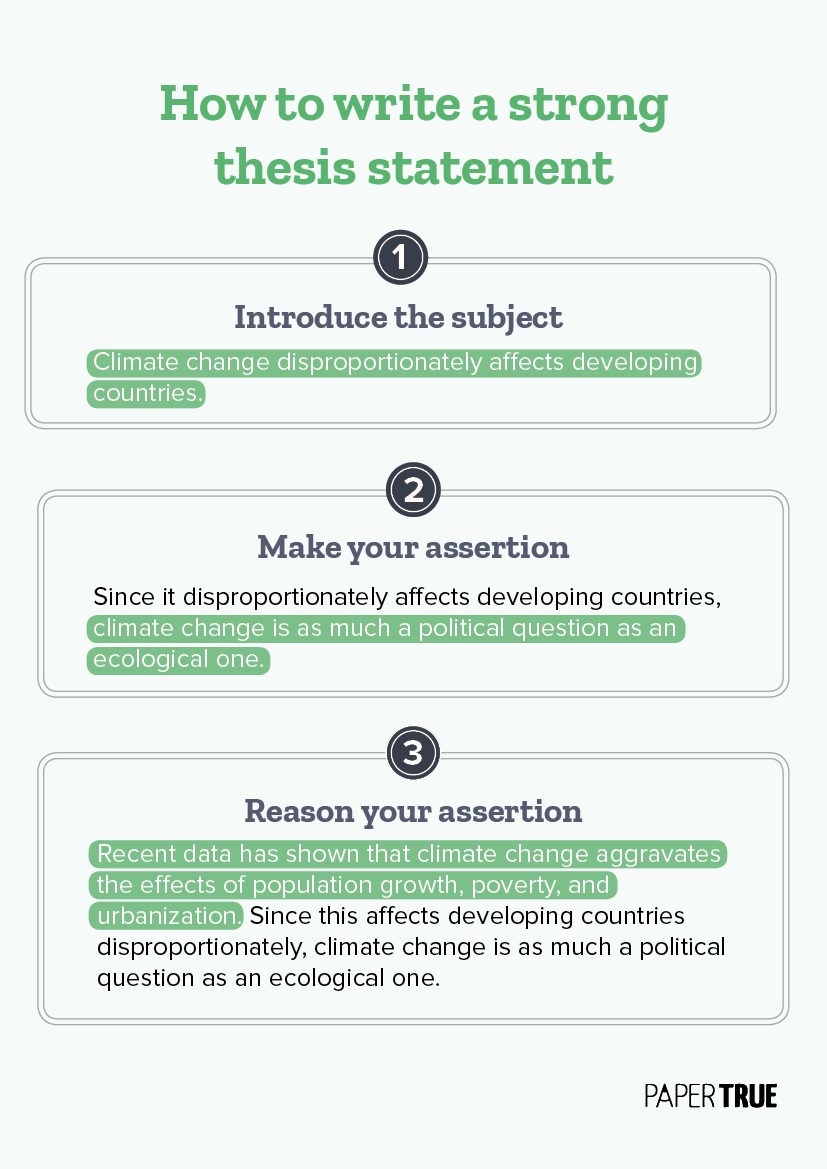
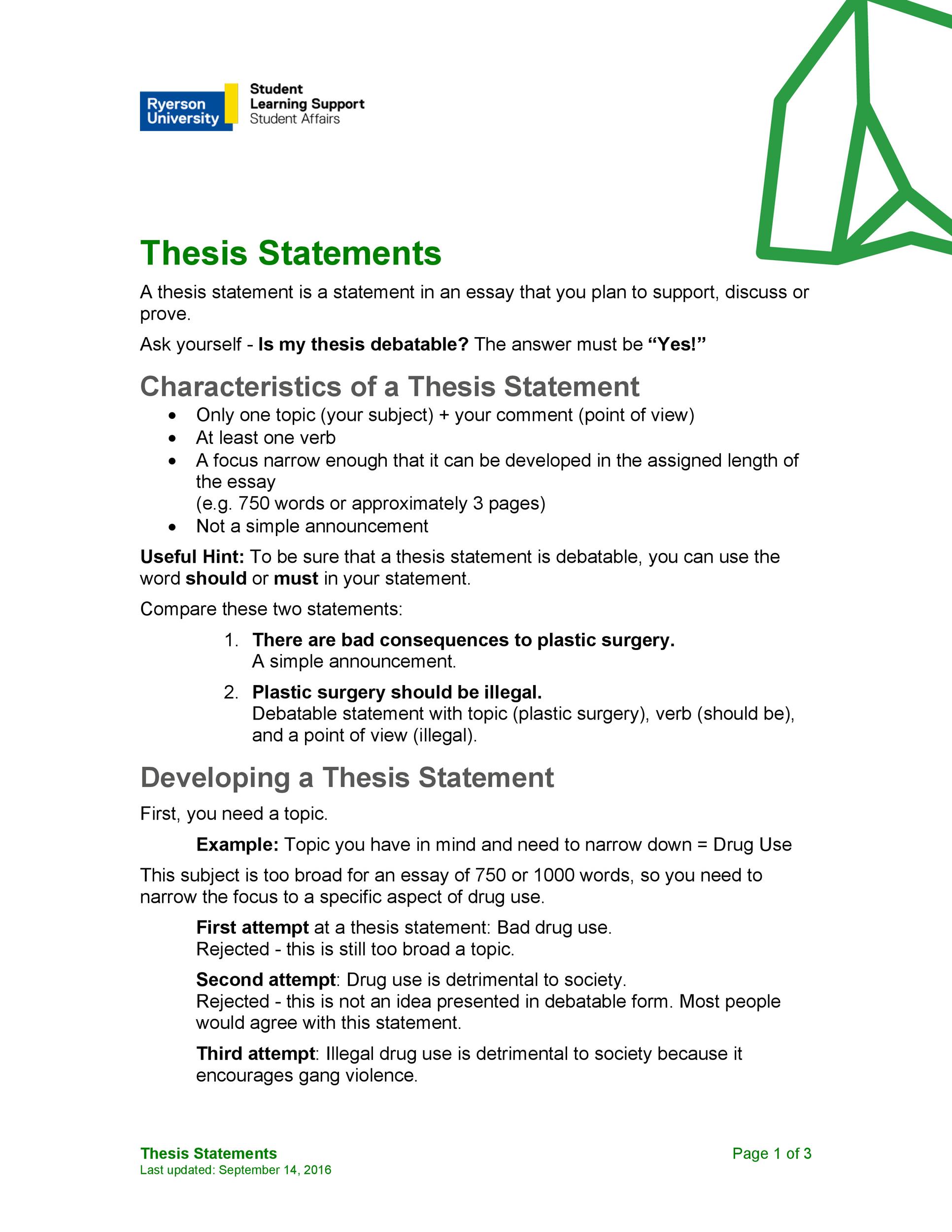
The digital world is increasingly dominated by visuals, making the concept of an image-thesis a powerful tool for anyone involved in design—particularly in the realm of wallpapers. An image-thesis can be considered a guiding principle or a statement that informs the visual direction of a design project. This article aims to delve into the process of developing a compelling image-thesis, providing insights on colors, styles, and the overall ambiance necessary to create captivating wallpaper designs.
Understanding the Image-Thesis

At its core, an image-thesis encapsulates the essence of a visual concept. It serves as a bridge between the idea and its execution, guiding designers through the intricacies of artistic choices. When beginning the design process, establishing a clear image-thesis helps in maintaining focus on the intended message and audience. By articulating an image-thesis, designers can make informed decisions on color palettes, textures, and styles that resonate with their vision.
An effective image-thesis should encompass several elements: the target audience, emotional response, and the overall aesthetic of the design. Each of these components plays a crucial role in shaping the final output, ensuring that the resulting wallpaper is not only visually appealing but also meaningful.
Choosing the Right Color Palette
The color palette is one of the most significant aspects of any wallpaper design. Colors can evoke emotions, set moods, and influence perceptions. Therefore, selecting the right colors in line with the image-thesis is essential. For instance, warm tones like reds and oranges can create a cozy, inviting atmosphere, while cooler tones like blues and greens might evoke calmness and serenity.
When developing an image-thesis, consider how different colors align with the intended emotional response. If the wallpaper is aimed at creating a lively environment, bright, vibrant colors may be appropriate. Conversely, for a minimalist design that promotes tranquility, subdued and neutral colors might be more fitting.
Incorporating Different Styles
Wallpaper design is incredibly diverse, ranging from modern to vintage, geometric to organic. The style you choose should align with your image-thesis and the emotional landscape you aim to create. For example, a contemporary style with clean lines and abstract forms may appeal to a younger audience looking for modern aesthetics, while vintage patterns can evoke a sense of nostalgia and warmth.
Experimenting with various styles is crucial to finding the right fit for your image-thesis. Consider mixing styles for a more dynamic approach, such as combining modern elements with traditional patterns. This blend can create a unique wallpaper that stands out while still adhering to the guiding principles of your image-thesis.
Creating Atmosphere Through Texture

Texture adds depth and dimension to wallpaper designs, contributing to the overall atmosphere. When developing an image-thesis, think about how different textures can enhance the viewer’s experience. For example, a wallpaper that mimics the look of natural materials, like wood or stone, can create a grounding effect, making a space feel more connected to nature.
Alternatively, a smooth, sleek texture can evoke modernity and sophistication. Consider the interaction between textures and colors in your design, as they can significantly change the perception of a space. Layering textures can also add interest, making the wallpaper more engaging and multifaceted.
Inspiration Sources for Wallpaper Design
Finding inspiration for your wallpaper design is an essential part of the process. Nature, art, architecture, and even fashion can serve as powerful sources of ideas. Observing how colors and patterns interact in different contexts can provide insight into your own design choices.
- Nature: Natural environments offer a palette of colors, textures, and patterns that can inspire wallpaper designs. Consider how the changing seasons affect the scenery—these transformations can serve as a rich source of inspiration.
- Art Movements: Exploring various art movements, such as Art Deco or Impressionism, can provide a foundation for your wallpaper’s visual language. Analyzing the characteristics of these movements can inform your image-thesis.
- Architecture: Architectural styles can spark ideas for geometric patterns or color combinations in your wallpaper design. The interplay of light and shadow in buildings can also influence texture choices.
- Fashion: Fashion trends often reflect cultural shifts and emerging aesthetics. Incorporating elements from current fashion can make your wallpaper designs relevant and appealing.
Tips for Selecting and Combining Wallpapers
When selecting wallpapers, it’s essential to consider how they will interact within a space. The image-thesis can guide decisions on how to combine different wallpapers effectively. Here are some tips:
- Complementary Colors: Choose wallpapers that feature complementary colors to create a cohesive look. This ensures that the designs work harmoniously together.
- Mixing Patterns: When combining different patterns, aim for balance. Pair bold patterns with more subdued ones to avoid overwhelming the space.
- Consider Scale: The scale of patterns plays a crucial role in the overall composition. Larger patterns can serve as focal points, while smaller ones can add subtlety to the design.
- Match the Mood: Ensure that the combined wallpapers align with the intended atmosphere. For example, if the goal is to create a calming retreat, soft colors and gentle patterns should dominate.
By carefully considering these elements and keeping your image-thesis in mind, you can create stunning wallpaper designs that resonate with the intended audience and elevate the visual experience of any space.