The Power of Imagery in Logistics: How Pictures Enhance Communication
In the fast-paced world of logistics, clear communication is vital for ensuring that operations run smoothly and efficiently. As the industry evolves, so too does the method of conveying critical information. One of the most effective tools in this transformation is imagery. The power of pictures in logistics cannot be overstated; they enhance communication, streamline operations, and improve overall understanding across various levels of an organization.
Imagery in logistics serves multiple purposes. It can be used to provide visual instructions, illustrate complex processes, or even create impactful presentations that engage audiences. By utilizing relevant images, logistics professionals can break down barriers in communication that may arise from language differences or technical jargon. This article explores the numerous ways that pictures enhance communication in logistics, making operations more efficient and effective.
The Role of Visuals in Logistics Communication
Logistics involves numerous processes, from warehousing to transportation and delivery. Each of these processes can be complex and require precise communication among team members, stakeholders, and customers. By using visuals, logistics managers can convey information more clearly and effectively than through text alone.
For instance, diagrams and flowcharts can illustrate workflows, making it easier for team members to understand their roles within the larger operation. Similarly, photographs of equipment or packaging can help ensure that everyone is on the same page when it comes to standards and expectations. When individuals can see what they are supposed to do, it reduces the likelihood of miscommunication and mistakes.
Types of Imagery Used in Logistics

There are several types of imagery commonly used in logistics that cater to different aspects of the operation:
- Infographics: Infographics can present data and statistics in a visually appealing way, making complex information easier to digest. They are particularly useful for presenting metrics such as delivery times, cost analysis, and supply chain efficiency.
- Photographs: High-quality photographs of products, facilities, and processes can provide clarity and context. They are especially important for training purposes and for ensuring that all team members understand the standards expected in the logistics process.
- Diagrams and Schematics: These visual aids can depict the layout of a warehouse, shipping routes, or supply chain processes. They help visualize the flow of goods and the interaction between different components of the logistics system.
- Videos: Short instructional videos can provide dynamic visual content that is immensely beneficial for training. They can demonstrate how to handle equipment, package goods, or follow safety protocols.
Enhancing Training and Onboarding
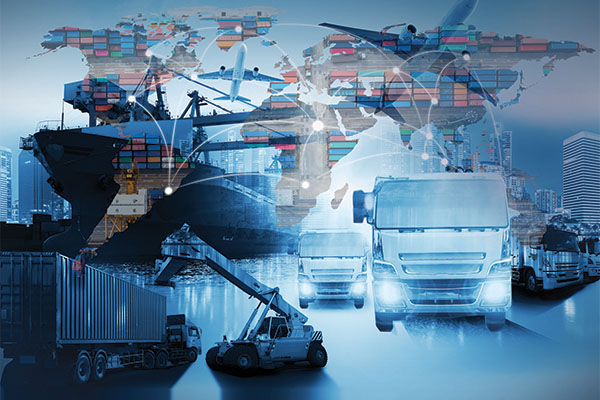
Training new employees in the logistics sector often involves a steep learning curve. Providing them with imagery-rich training materials can simplify this process significantly. For example, using visuals in training manuals allows new hires to understand procedures quickly and efficiently.
Moreover, videos showcasing day-to-day operations can give new employees a realistic glimpse into their roles. This multimodal approach to training caters to various learning styles, ensuring that all employees have the opportunity to grasp essential logistics concepts.
Improving Customer Communication

In addition to internal communication, imagery plays a crucial role in enhancing customer interactions. When logistics companies communicate with customers regarding their shipments, providing visuals can greatly enhance their understanding and satisfaction. For instance, sending customers images of their products, packaging, or even the shipping process can build trust and transparency.
Furthermore, logistics companies can use visuals on their websites and social media platforms to showcase their operations and capabilities. This not only promotes their services but also helps potential customers visualize how their products will be handled, ultimately influencing their purchasing decisions.
The Impact of Technology on Imagery in Logistics

With technological advancements, the ways in which logistics companies use imagery continue to evolve. Augmented reality (AR) and virtual reality (VR) are beginning to play a role in logistics training and operations. For example, AR can overlay digital information onto real-world environments, allowing employees to visualize processes as they perform them.
This integration of technology not only enhances training but also improves operational efficiency. Employees can receive real-time visual guidance, reducing errors and increasing productivity. As technology continues to develop, the potential applications for imagery in logistics will only expand.
Best Practices for Using Imagery in Logistics
To maximize the benefits of imagery in logistics communication, it’s essential to follow best practices:
- Use High-Quality Images: Always opt for high-resolution images that are clear and professional. Poor-quality visuals can lead to misunderstandings and diminish credibility.
- Ensure Relevance: Only use images that directly relate to the information being communicated. Irrelevant visuals can confuse the audience and detract from the message.
- Keep it Simple: Avoid cluttering visuals with too much information. Focus on clarity and simplicity to ensure the message is easily understood.
- Update Regularly: As processes and technologies evolve, so should the imagery used in communications. Regularly review and update visuals to ensure accuracy and relevance.
In the logistics industry, where effective communication is paramount, leveraging the power of imagery can lead to improved clarity, efficiency, and collaboration. By incorporating visuals into everyday practices, logistics companies can enhance their operations and set themselves apart in a competitive landscape. Embracing this approach not only benefits internal teams but also strengthens relationships with customers, ultimately driving success in the logistics sector.