The Power of Visual Storytelling: Crafting Your Image-Thesis
In today’s digital landscape, where attention spans are fleeting and visual content reigns supreme, understanding the concept of an image-thesis is essential for anyone looking to create meaningful and persuasive designs. An image-thesis serves as a powerful tool for storytelling, allowing designers to communicate ideas and emotions through carefully curated visuals. This article delves into the key elements of visual storytelling, how to craft an effective image-thesis, and tips for selecting and blending wallpapers that resonate with your intended audience.
Understanding Image-Thesis

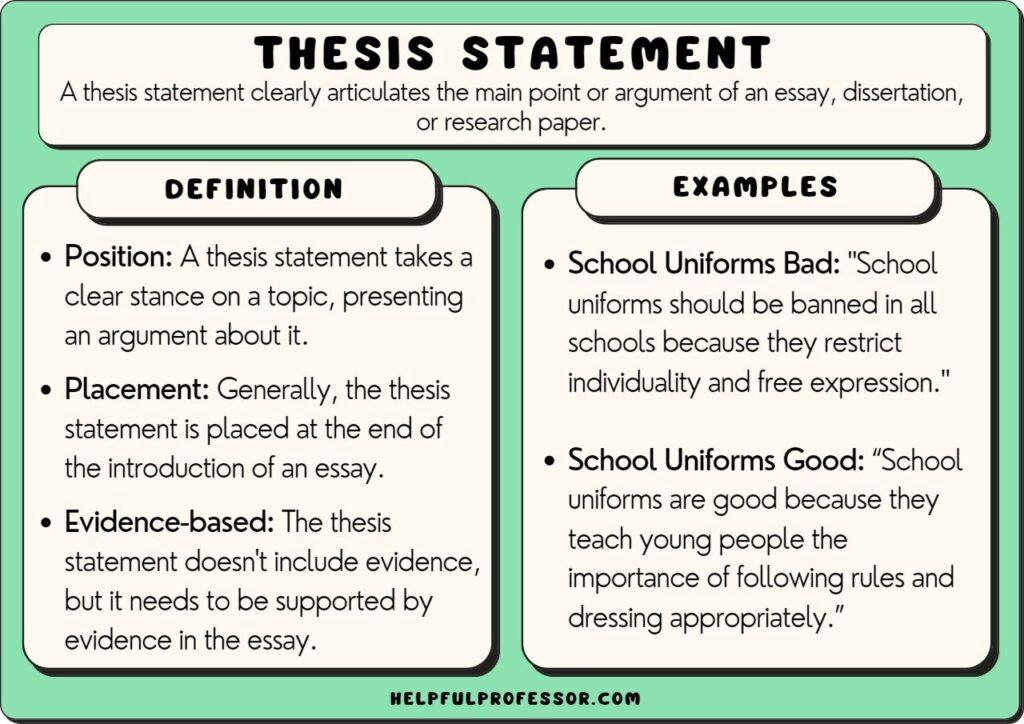
The term image-thesis refers to the central idea or statement conveyed through visual elements. Much like a written thesis, it encapsulates the core message you wish to communicate through images. In design, this can manifest as a specific style, color palette, or mood that ties together various visual components. For instance, a wallpaper design that utilizes earthy tones and natural imagery might convey a sense of tranquility and connection with nature, effectively communicating its image-thesis.
Crafting a compelling image-thesis involves a deep understanding of your target audience and the emotions you wish to evoke. Are you aiming to inspire, comfort, or energize? Each of these objectives will influence your choice of visuals, colors, and overall design style.
The Elements of Visual Storytelling
Visual storytelling is an art that combines various elements to create a cohesive narrative. Here are some key components:
- Color: Colors evoke emotions and can significantly influence the mood of your design. Warm colors like red and orange can create a sense of excitement, while cool colors such as blue and green often evoke calmness.
- Imagery: The imagery you choose is crucial as it should align with your image-thesis. For example, if your image-thesis is about adventure, including visuals of landscapes, outdoor activities, or travel can enhance the narrative.
- Typography: The fonts and text used in conjunction with your visuals should complement your overall theme. A playful design might use whimsical fonts, while a professional layout could benefit from sleek, modern typography.
- Layout: The arrangement of elements on your design should guide the viewer’s eye and reinforce your message. A well-structured layout can help emphasize the most important aspects of your image-thesis.
Choosing the Right Wallpaper for Your Image-Thesis

When selecting a wallpaper, consider how well it aligns with your image-thesis. Here are some tips to guide your decision:
- Define Your Theme: Before browsing through wallpapers, clarify the theme or message you want to convey. Whether it’s minimalism, bohemian, or urban chic, having a clear vision will help narrow down your options.
- Consider the Mood: Think about the emotional impact you want to achieve. For a calming workspace, soft pastels or nature-inspired designs may be appropriate. In contrast, vibrant patterns can energize a playroom or creative space.
- Mix and Match: Don’t be afraid to combine different wallpapers or patterns. This can add depth and complexity to your design. However, ensure that the styles are complementary and maintain a visual connection to your image-thesis.
For instance, pairing a bold geometric pattern with a subtle textured wallpaper can create an engaging contrast while still supporting a unified visual narrative.
Incorporating Wall Art and Accessories
Wallpapers are just one aspect of creating a harmonious visual environment. Incorporating wall art and accessories that align with your image-thesis can enhance the overall aesthetic. Here are some ideas:
- Art Prints: Choose art prints that resonate with your theme. If your image-thesis is centered around nature, consider botanical prints or landscapes to complement your wallpaper.
- Textiles: Use cushions, throws, or rugs that feature colors and patterns from your wallpaper to create a cohesive look.
- Lighting: Well-placed lighting can dramatically alter the mood of your space. Consider warm lighting for cozy environments or bright, white lights to energize a workspace.
Adapting Your Image-Thesis for Different Platforms

Your image-thesis should adapt depending on the platform you’re designing for, whether desktop, mobile, or tablet. Each medium presents unique challenges and opportunities:
- Desktop: On larger screens, you can include more intricate designs and details. Use high-resolution images to ensure clarity and professionalism.
- Mobile: With mobile screens, simplicity is key. Focus on bold visuals that convey your message quickly. Ensure that your image-thesis remains clear even on smaller displays.
- Tablet: Tablets offer a middle ground. Leverage their versatility to create interactive designs that engage users, such as wallpapers that change based on user interaction.
Inspiration for Your Image-Thesis
Seeking inspiration can help refine your image-thesis. Here are some sources to explore:
- Nature: Look to the natural world for color palettes, textures, and patterns.
- Art and Photography: Browse galleries or online platforms like Pinterest and Instagram for visual ideas that resonate with your message.
- Trends: Stay updated on design trends to see how they can influence your image-thesis, whether through color schemes, themes, or styles.
By synthesizing these elements and staying true to your vision, you can effectively craft an image-thesis that captures attention and communicates your intended message. The power of visual storytelling lies in its ability to connect with people on an emotional level, making it an invaluable skill for designers in any medium.