Visual Rhetoric: How to Effectively Communicate Your Image-Thesis
The concept of image-thesis refers to the underlying message or argument that visual content conveys. In a world where visuals dominate, understanding how to effectively communicate this message is crucial for designers, marketers, and anyone involved in visual storytelling. This article explores the nuances of visual rhetoric and offers insights on how to craft an impactful image-thesis that resonates with your audience.
Understanding Image-Thesis
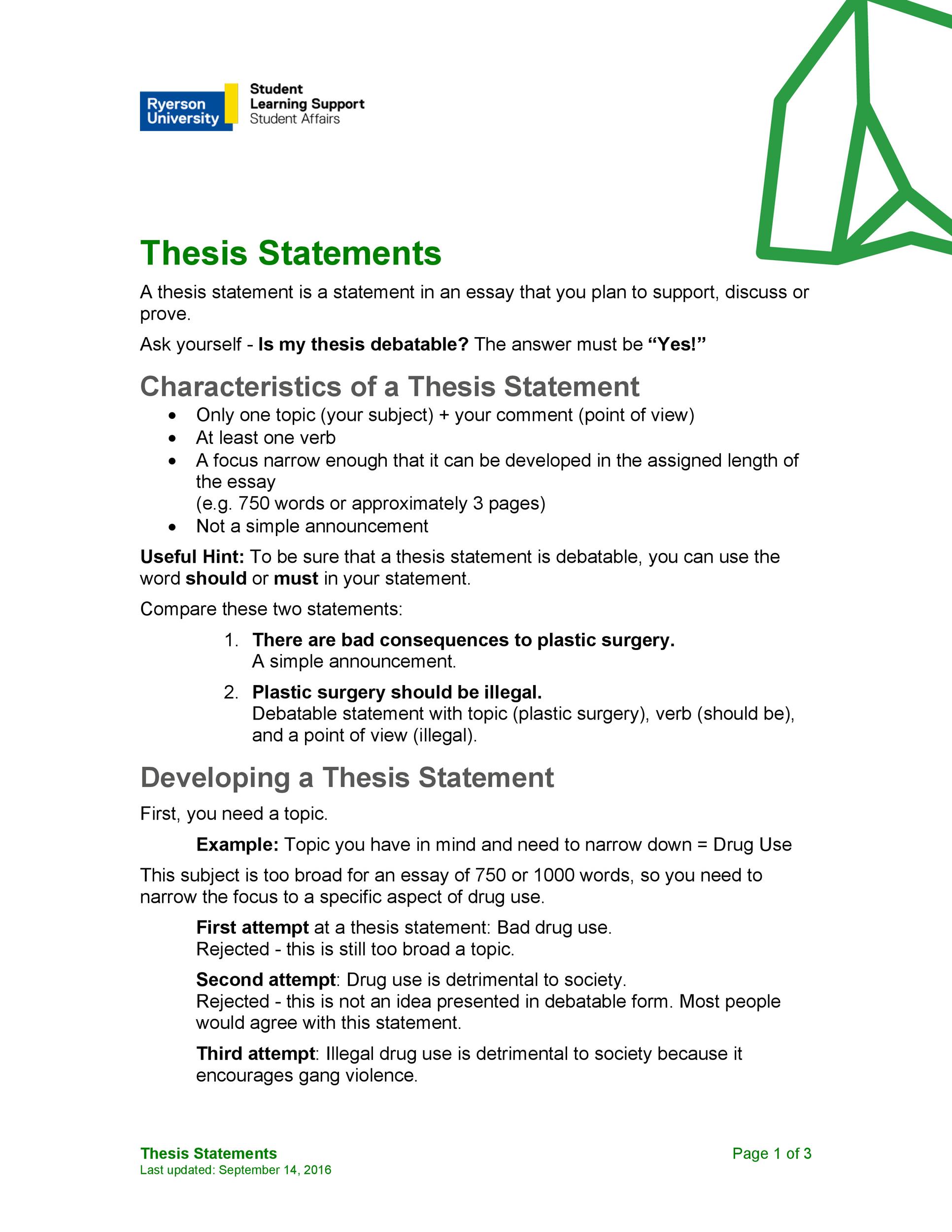
Image-thesis is a powerful tool in the realm of visual communication. It encapsulates the main idea that a visual piece is trying to convey. Just like a written thesis in an essay, the image-thesis serves as the backbone of the visual design, guiding its creation and interpretation. The clarity of your image-thesis can significantly influence how effectively your message is received.
When you create a wallpaper or any visual media, it’s essential to start with a clear understanding of the message you want to communicate. Is it a feeling, a concept, or an idea? For instance, a wallpaper that showcases serene landscapes might aim to evoke feelings of tranquility and peace, thereby communicating an image-thesis of nature’s calming influence. Likewise, a dynamic geometric pattern may convey energy and creativity, representing innovation or modernity.
The Role of Color in Communicating Your Image-Thesis
Color plays a pivotal role in visual rhetoric. It can evoke emotions, set the mood, and influence the viewer’s perception. When selecting colors for your wallpaper design, consider the psychological impact associated with different hues:
- Blue: Often associated with calmness and reliability.
- Red: Conveys passion, urgency, or excitement.
- Green: Symbolizes nature, growth, and tranquility.
- Yellow: Represents energy, optimism, and creativity.
Understanding these associations can help you reinforce your image-thesis. For example, if your wallpaper is intended to motivate and energize, incorporating bright colors like orange and yellow can amplify that message. On the other hand, if you aim for a more relaxed atmosphere, cooler tones might be more appropriate.
Choosing the Right Style for Your Audience

Your target audience significantly influences your design choices. Different demographics may respond to various styles and elements. To effectively communicate your image-thesis, consider the preferences and cultural contexts of your audience. For example, a minimalist design might appeal to a younger, tech-savvy audience, while a vintage aesthetic could resonate with those who appreciate nostalgia.
Consider also the context in which your wallpaper will be used. A vibrant, busy design may be suitable for a creative workspace, while a calm, subtle background might be more appropriate for a bedroom or study area. By aligning your design style with your audience’s preferences and the intended environment, you can enhance the effectiveness of your image-thesis.
Incorporating Texture and Patterns
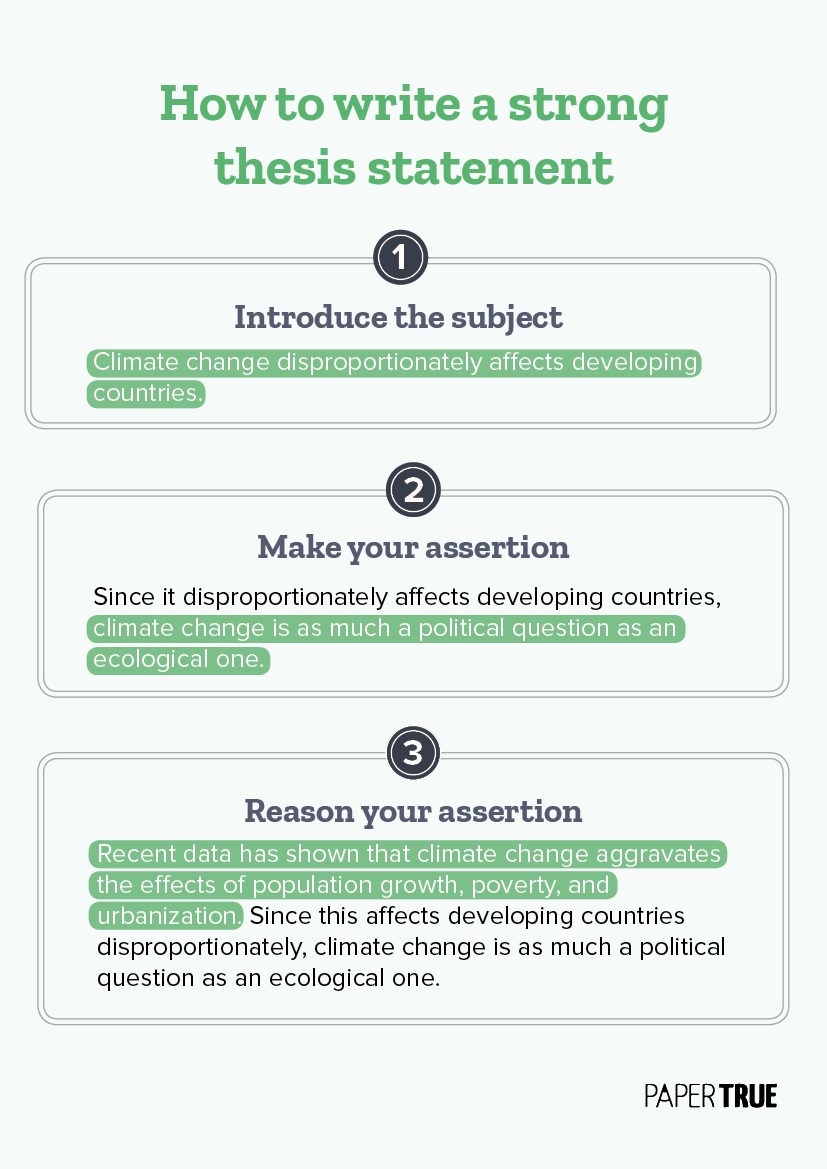
Texture and patterns can add depth and interest to your wallpaper designs. These elements should also align with your image-thesis. For instance, a wallpaper designed to promote a cozy atmosphere might incorporate soft, textured patterns that evoke warmth and comfort.
On the other hand, geometric patterns can suggest modernity and sophistication, appealing to a more contemporary audience. When layering textures and patterns, ensure that they complement rather than compete with each other, maintaining clarity in your image-thesis.
Tips for Selecting and Combining Wallpapers

When it comes to wallpaper selection, there are several tips to keep in mind:
- Choose a focal point: Select a wallpaper that serves as the central theme and complements other design elements in your space.
- Mix and match: Don’t hesitate to combine different wallpapers, but ensure they share a common color scheme or theme to maintain cohesion.
- Consider scale: Patterns and designs should be proportionate to the size of the room. Large patterns can overwhelm small spaces, while tiny patterns might get lost in larger areas.
- Experiment with samples: Always test wallpaper samples in your actual space to see how they interact with light and other elements.
These tips can help you effectively communicate your image-thesis through your choices in wallpaper, ensuring that your visual designs are both aesthetically pleasing and impactful.
Finding Inspiration for Your Visual Designs
Inspiration can come from various sources, including nature, art, architecture, and even everyday life. To cultivate a rich pool of ideas for your wallpaper designs, pay attention to the world around you. Keep a journal or a digital folder where you can save images, colors, and patterns that resonate with you.
Online platforms like Pinterest and Behance can also be excellent resources for discovering trending designs and styles. Additionally, consider exploring design blogs and following influential designers on social media to stay updated on the latest visual trends.
Final Thoughts on Crafting Your Image-Thesis
Creating an effective image-thesis involves a thoughtful combination of colors, styles, textures, and patterns. By understanding your audience and the context in which your wallpaper will be used, you can design visuals that are not only beautiful but also convey a clear and impactful message. Remember, the power of visual rhetoric lies in its ability to communicate ideas without words, making it essential for any designer to master this skill.
As you embark on your design journey, keep these principles in mind, and let your creativity flow. Whether you are designing wallpapers for personal use or professional projects, a strong image-thesis will guide your work and resonate with those who experience it.