From Warehouse to Delivery: A Visual Exploration of Logistics
The logistics industry is a vast and intricate network that plays a crucial role in the global economy. From the moment goods are stored in warehouses to the instant they reach consumers’ doorsteps, logistics encompasses a multitude of processes that ensure everything runs smoothly. In this article, we will explore the visual representation of logistics, examining how images can enhance our understanding of this essential field.
The Warehouse: Heart of Logistics
Warehouses are often considered the heart of logistics. They serve as storage facilities for products before they are distributed to retailers or consumers. The design and organization of a warehouse can significantly impact efficiency. High-quality images of warehouses can showcase various styles—ranging from traditional storage methods to modern automated systems.
When looking at pictures of warehouses, one might notice several elements that contribute to effective logistics:
- Layout and Design: The layout of a warehouse can vary based on the types of goods stored and the operations conducted. Efficient layouts can minimize the time taken to retrieve items.
- Technology Integration: Modern warehouses often utilize technology such as automated storage and retrieval systems (AS/RS), which can be visually striking in their complexity and efficiency.
- Inventory Management: Visuals showcasing inventory management systems, including barcodes and RFID tags, highlight how technology aids in tracking products.
Transportation: Moving Goods

Once goods are securely stored in a warehouse, the next step is transportation. This is where logistics becomes even more visible. Images depicting various modes of transportation—trucks, ships, airplanes, and trains—illustrate the different ways goods can be moved from one location to another.
Each mode of transportation has its own advantages and challenges:
- Trucks: The most common method for local deliveries, trucks are indispensable for last-mile logistics. Pictures of trucks loaded with goods can evoke a sense of reliability and speed.
- Shipping Containers: Images of shipping ports and containers stacked high provide a glimpse into international trade and the scale at which logistics operates.
- Air Freight: Airplanes carrying goods are often associated with urgent deliveries. Visual representations of cargo planes can convey the speed and efficiency required for time-sensitive shipments.
Last-Mile Delivery: The Final Step
The last-mile delivery process is crucial, as it directly affects customer satisfaction. This stage is where logistics meets customer service, and visuals can play a significant role in illustrating its importance. Pictures of delivery personnel interacting with customers or using technology to track deliveries can highlight the human aspect of logistics.
In urban environments, the challenges of last-mile delivery can be significant. Images depicting delivery in crowded city streets or innovative solutions like drones and electric vehicles can inspire new ideas in logistics management.
Visuals in Logistics Marketing
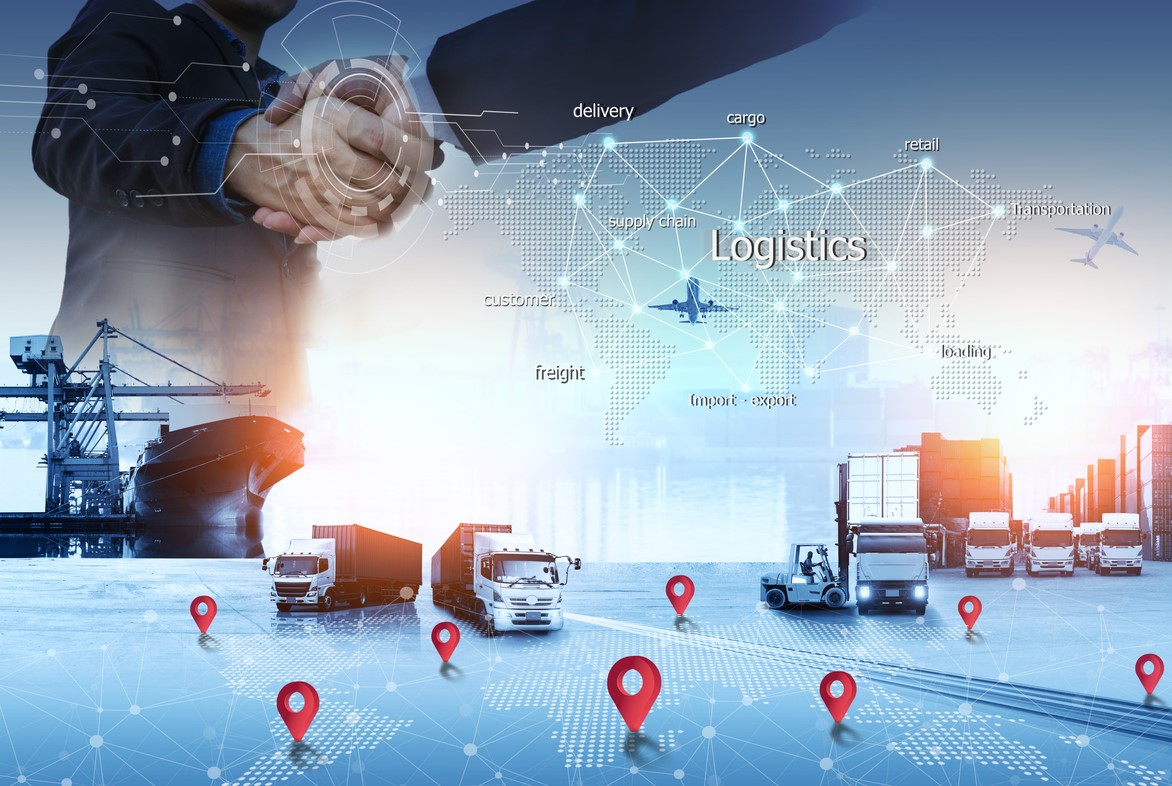
For businesses in the logistics sector, utilizing high-quality images can enhance marketing efforts. Visuals can communicate professionalism and reliability, essential qualities in logistics. Companies can benefit from investing in professional photography to showcase their operations, fleet, and facilities.
Moreover, incorporating visuals into social media strategies can help logistics companies engage with their audience. Infographics that illustrate complex logistics processes or stunning visuals of their fleet in action can attract attention and boost brand visibility.
Trends in Logistics Visualization

The logistics industry is constantly evolving, and staying updated with trends is essential for success. Current trends in logistics visualization include:
- Data Visualization: As logistics becomes increasingly data-driven, visual representations of data can provide insights into performance metrics, route optimization, and inventory levels.
- Sustainability Focus: Images showcasing eco-friendly practices, such as green warehouses or electric delivery vehicles, can highlight a company’s commitment to sustainability.
- Augmented Reality (AR): Some companies are exploring AR to visualize logistics processes in real-time, which can lead to more efficient operations and enhanced training methods.
Choosing the Right Images for Your Logistics Needs

When selecting images to represent logistics, it is essential to choose visuals that resonate with your audience. Consider the following tips:
- Authenticity: Use images that reflect real operations within your company to build trust with clients.
- High Quality: Invest in high-resolution images that portray professionalism and attention to detail.
- Variety: Ensure a diverse range of visuals that cover different aspects of logistics, from warehousing to delivery.
By thoughtfully selecting images, logistics companies can tell a compelling story about their operations and the value they provide to customers.
In summary, the visual exploration of logistics—from warehouses to delivery—offers a unique perspective on an industry that often works behind the scenes. By leveraging the power of imagery, logistics professionals can enhance their understanding of the supply chain, engage their audience, and improve their marketing efforts. Whether through stunning photographs of transportation methods or infographics illustrating complex processes, visuals play a vital role in bringing the world of logistics to life.