Room with a View: Incorporating Background Elements into Interior Design
The concept of a ‘room with a view’ transcends the literal interpretation of simply having a picturesque landscape visible from a window. In the realm of interior design, it encapsulates the idea of creating spaces that harmoniously integrate the background elements, enhancing the overall aesthetic appeal and functionality of a room. Today, we delve into the art of incorporating background elements into interior design, focusing on how wallpaper and other visual elements can transform your living spaces.
Understanding Background Elements
:strip_icc()/200522-EB_12-Living-Room_1267-b13debcb440a4471981d7ac637e76e7a.jpg)
Background elements in interior design refer to the visual layers that exist behind the primary features of a room. This includes walls, flooring, and even ceilings that can significantly influence the mood and style of a space. Wallpaper is one of the most versatile tools for establishing a background, offering a range of textures, colors, and patterns that can either complement or contrast with the furniture and decor.
When selecting wallpaper or other background elements, consider the atmosphere you wish to create. For instance, soft pastel colors can evoke a sense of calm and tranquility, ideal for a bedroom or a reading nook. In contrast, bold patterns and vibrant hues can energize a space, making them perfect for living areas or home offices.
Choosing the Right Wallpaper
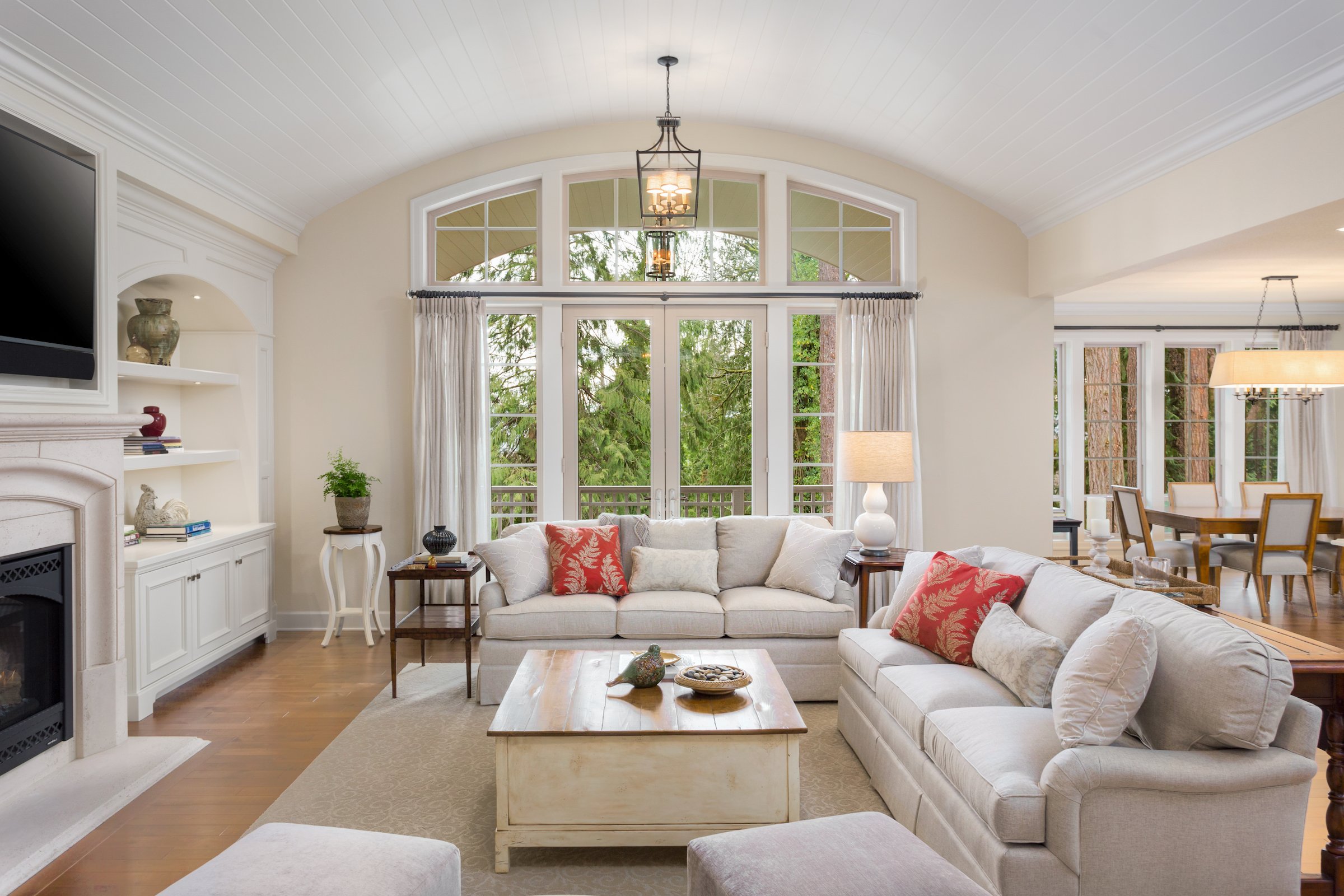
Choosing wallpaper involves more than just picking a pretty pattern; it’s about finding the right fit for your design goals. Here are some factors to consider:
- Scale: Larger patterns can create a dramatic effect in spacious rooms, while smaller prints work well in compact areas.
- Color Palette: Ensure that the colors in the wallpaper complement your existing decor. Use a color wheel to find harmonious combinations.
- Texture: Textured wallpapers can add depth to a room. Consider options like grasscloth or embossed patterns for a tactile experience.
- Lighting: Assess how natural and artificial light will interact with your wallpaper choice. Some colors may change under different lighting conditions.
By keeping these factors in mind, you can choose wallpaper that not only beautifies your room but also enhances its functionality.
Incorporating Background Elements into Different Design Styles

Every interior design style has unique ways of incorporating background elements. Here’s how to adapt wallpaper and other backgrounds to various aesthetics:
- Modern: Opt for geometric patterns or minimalist designs in neutral colors to create a sleek backdrop that aligns with modern sensibilities.
- Bohemian: Embrace bold colors and eclectic patterns. Layering different wallpapers can create a rich tapestry that is visually stimulating.
- Scandinavian: Stick to light, airy colors and simple patterns. The goal is to create a cozy, inviting environment that feels open and uncluttered.
- Traditional: Floral prints and classic damasks can enhance a traditional decor. Pair with antique furniture for a cohesive look.
Each design style offers a unique opportunity to play with background elements, ensuring they complement the overall theme of your home.
Creating a Cohesive Look
A well-designed room goes beyond individual elements; it tells a story. To achieve a cohesive look, consider how the background interacts with the foreground elements. Start by creating a color palette that connects your wallpaper with the furniture, textiles, and decor.
Textiles such as curtains, throw pillows, or rugs can echo the colors and patterns in your wallpaper, creating a seamless transition between different elements. For instance, if your wallpaper features a botanical print, incorporate green or floral-themed accents in your furnishings.
Additionally, think about the scale of your furnishings in relation to the wallpaper. If you have a large, bold pattern on the walls, opt for simpler, more understated furniture to avoid visual clutter. Conversely, if your wallpaper is subtle, you can afford to introduce bolder furniture pieces and decor items.
Impact of Technology on Wallpaper Design
In the digital age, wallpaper design and selection have transformed significantly. With advancements in printing technology, it’s now possible to create custom wallpapers tailored to individual aesthetics. Digital wallpapers allow you to project vivid images that can be easily changed, making it an adaptable choice for evolving design preferences.
Moreover, many online platforms offer a plethora of options to visualize wallpapers in your space before making a purchase. Augmented reality apps enable you to see how a specific wallpaper will look in your room, allowing for more informed decisions. This can be particularly useful for homeowners who are hesitant about making bold choices.
Practical Tips for Installing and Maintaining Background Elements
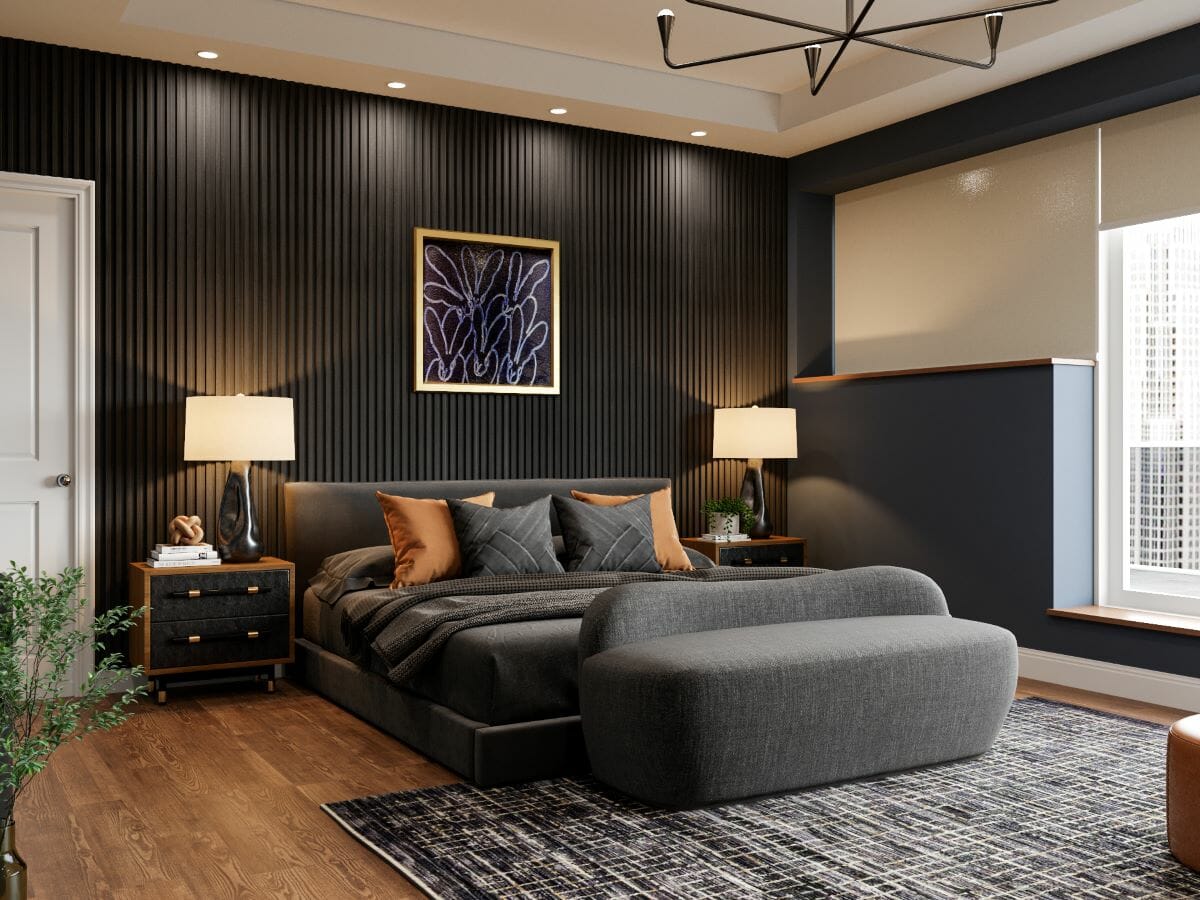
Once you’ve chosen your wallpaper, proper installation and maintenance are crucial for ensuring its longevity. Here are some practical tips:
- Preparation: Ensure the wall surface is clean, dry, and smooth before applying wallpaper. Any imperfections can affect the final look.
- Application: Follow the manufacturer’s instructions carefully. If you’re unsure, consider hiring a professional for installation, especially for complex patterns.
- Maintenance: Regular cleaning can prolong the life of your wallpaper. Use a soft cloth or sponge and mild detergent for spot cleaning.
- Protection: In high-traffic areas, consider using removable wallpaper that can be easily replaced, protecting the underlying walls while providing design flexibility.
Incorporating background elements into your interior design can dramatically alter the ambiance of a room, lending it personality and style. By understanding the role of wallpaper and other background elements, you can create spaces that are both functional and aesthetically pleasing, ensuring that your home reflects your unique vision.